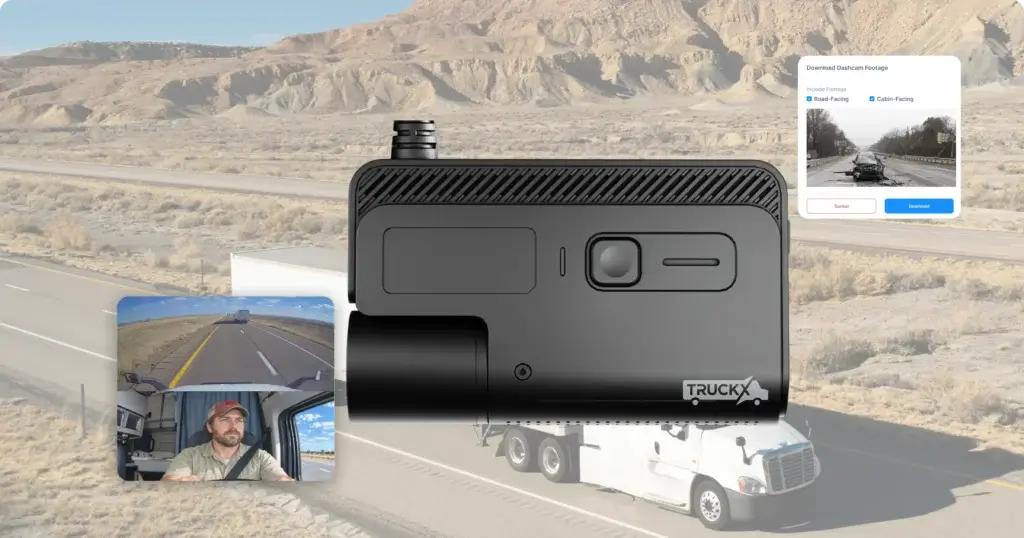
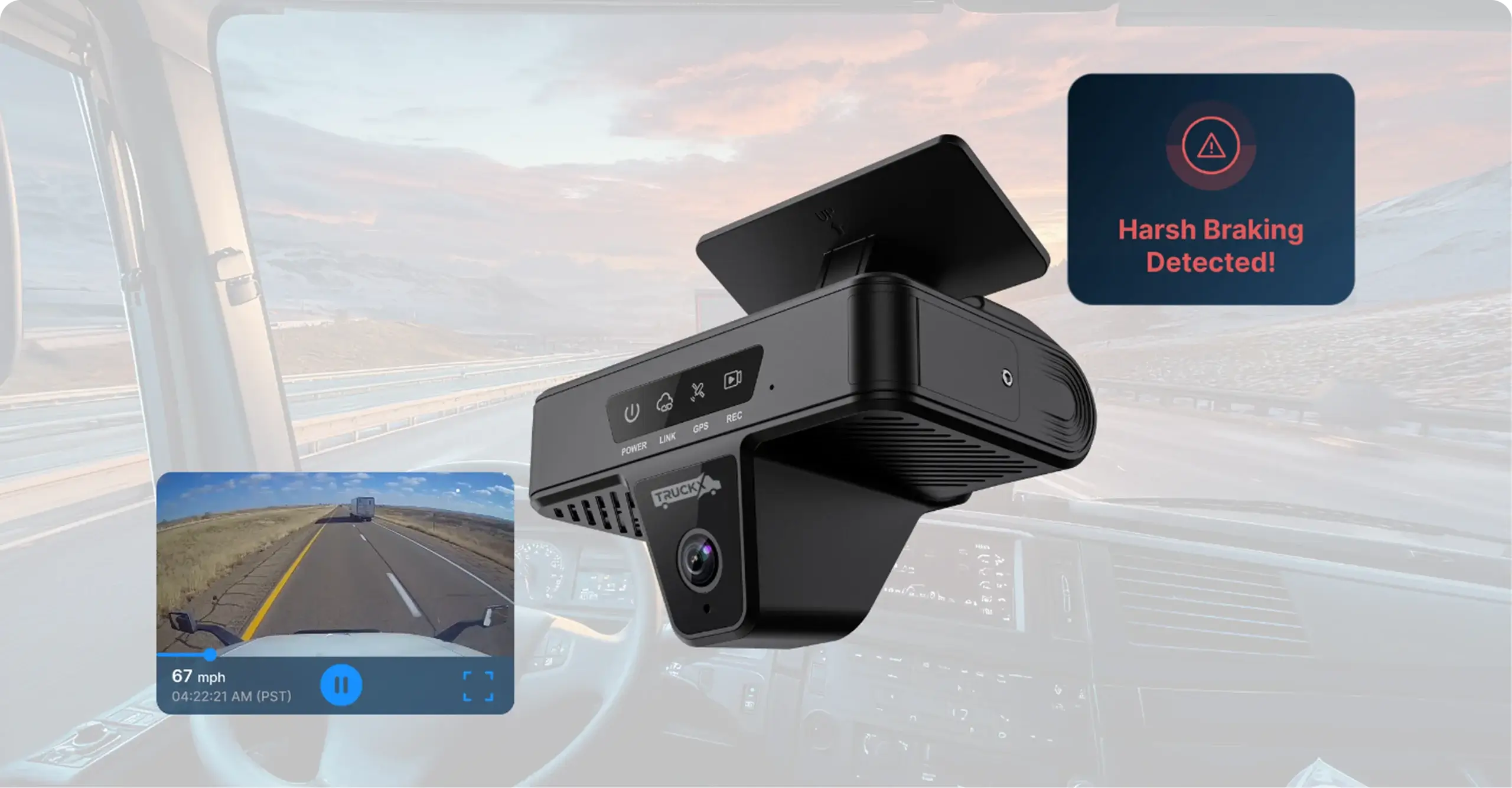
TruckX has launched the 4-Channel AI Dashcam Pro, a new fleet safety camera built for owner-operators and trucking fleets across the United States. This is not an upgraded version of the old 4-Channel AI Dashcam; it’s a different device, engineered around active AI processing instead of passive video recording. The goal: stop incidents before they happen, not just document them afterward.
For fleets weighing a dashcam purchase right now, the difference matters. Passive dashcams record evidence. The AI Dashcam Pro adds real-time driver coaching, collision prediction, and cloud-connected event management on top of that evidence trail.
Why Is It Important for Fleets to Have an AI Dashcam?
Commercial auto insurance has become one of the most volatile costs in trucking. Premium costs per mile have climbed sharply over the past decade, driven by rising accident litigation and the “nuclear verdicts”, jury awards exceeding $10 million that have grown more frequent in trucking cases. A single at-fault claim without video evidence can push a fleet’s renewal rate up significantly, and disputed liability claims often come down to one thing: who has proof.
That’s the gap the AI Dashcam Pro is built to close. It doesn’t just record; it actively detects risk in real-time and preserves evidence before a dispute even starts.
What Is the TruckX 4-Channel AI Dashcam Pro?
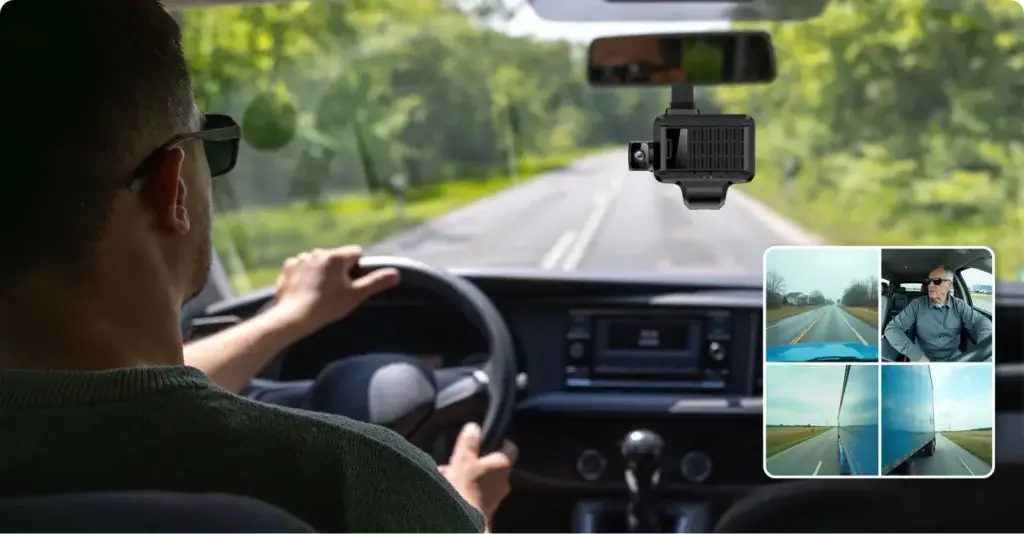
The TruckX 4-Channel AI Dashcam Pro is an enterprise-grade commercial truck dash cam system that supports up to four simultaneous camera channels. Depending on camera placement, fleets can get a complete 360-degree view of the truck. This gives fleet managers more complete context when reviewing crashes, cargo incidents, safety events, and disputed claims.
The system combines:
Advanced Driver Assistance System (ADAS)
The forward-facing ADAS camera can identify events such as:
- Lane departure
- Unsafe following distance
- Forward collision risk
- Pedestrian collision risk
- Speed-sign violations
- Road-sign recognition, etc
Drivers receive audible in-cab warnings when immediate attention is needed. For example, the system alerts a driver who is drifting from the lane or following another vehicle too closely.
These alerts provide assistance, not autonomous control. National Highway Traffic Safety Administration (NHTSA) explains that lane-departure and forward-collision warning technologies alert the driver but do not steer or brake the vehicle. The driver remains responsible for operating the truck.
Driver Monitoring System (DMS)
The inward-facing DMS camera can detect behaviors and conditions including:
- Fatigue and closed eyes
- Yawning
- Handheld phone use
- Looking away from the road
- Missing seatbelt use
- Smoking or vaping
- A covered camera lens
- Driver changes
- Unrecognized drivers, etc
Distracted driving remains a serious road-safety concern. NHTSA reported that crashes involving distracted drivers killed 3,208 people in the United States during 2025.
Fatigue also creates significant risk, particularly during long, monotonous trips and overnight driving. The DMS cannot replace proper rest or Hours-of-Service compliance, but its real-time fatigue alerts can give drivers an additional warning when signs of drowsiness appear.
Four Camera Channels Provide Better Incident Coverage
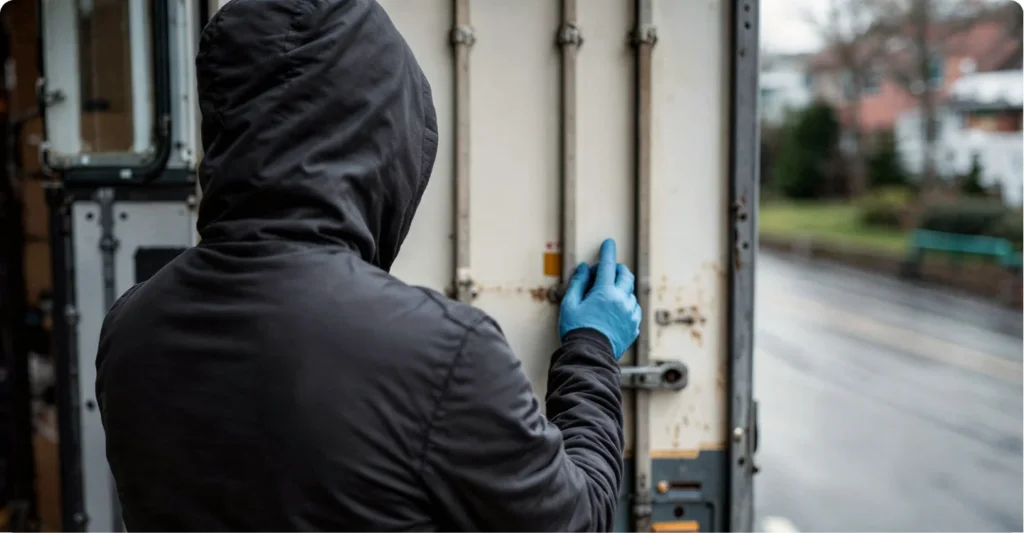
A basic forward-facing camera may show what happened directly ahead of the truck. It may not capture activity beside the trailer, inside the cab, behind the vehicle, or near the cargo area.
The TruckX 4-channel dash cam for trucks can be configured around each fleet’s operating risks. The 360-degree view helps determine whether another vehicle entered a truck’s lane, whether the driver was attentive, how cargo shifted, or what occurred during a backing incident. This evidence can support faster claim reviews and help protect drivers against inaccurate allegations.
Live Video, GPS and Faster Event Access
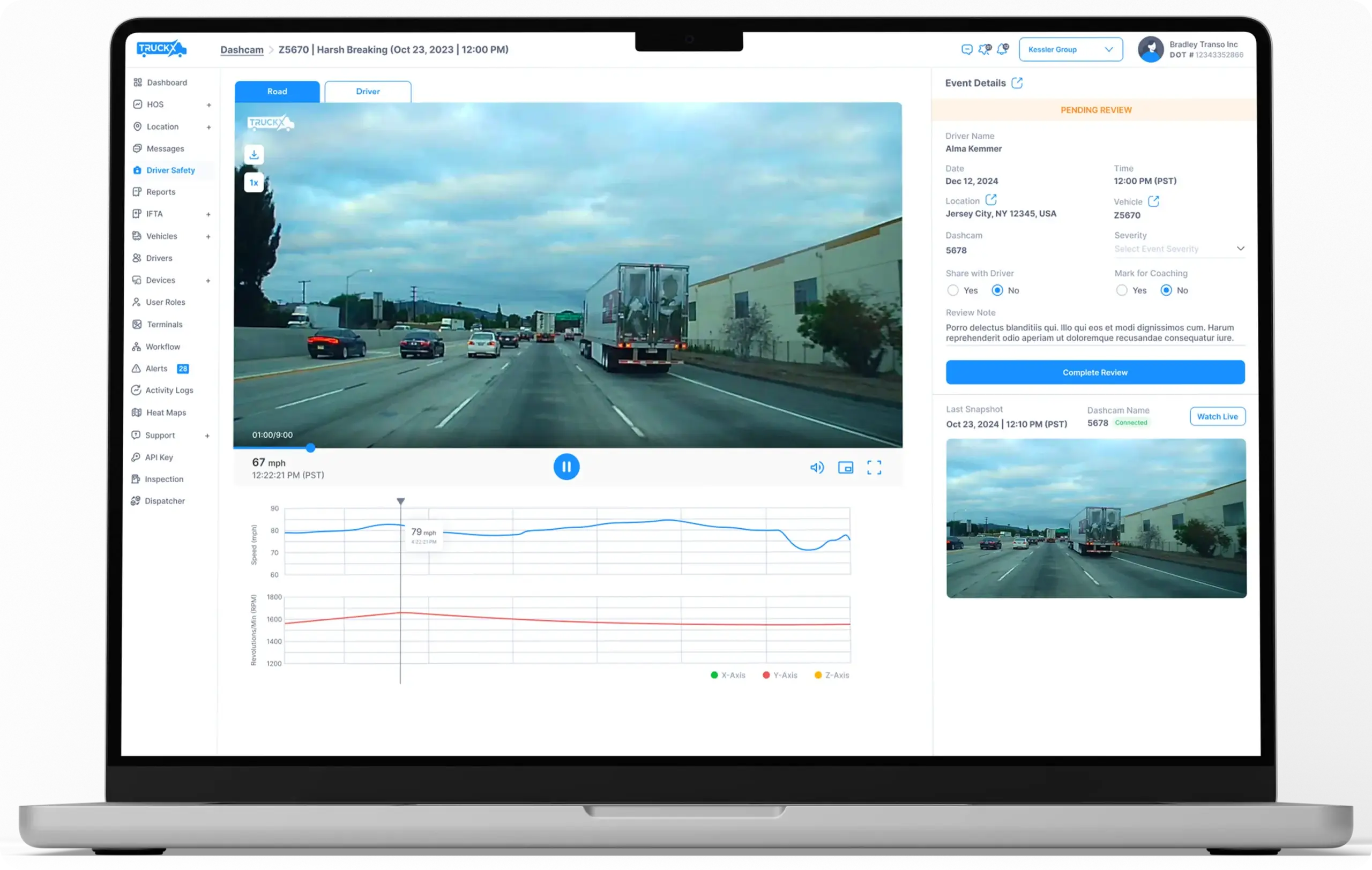
Authorized fleet administrators can view live camera feeds through the TruckX dashboard. This helps managers assess developing situations without waiting for the truck to return to the yard. GPS information is embedded with the video, connecting footage to the truck’s location and trip activity.
Critical events, including severe crashes, rollovers, SOS activations, speeding, and suspicious power disconnections, automatically trigger an HD cloud upload. For lower-severity events, the platform immediately uploads a high-resolution snapshot.
Event-Based Video Without Continuous Cloud Streaming
Driver privacy must be addressed clearly when a fleet installs an inward-facing camera.
The AI Dashcam Pro records video locally, but it does not continuously stream every minute of every trip to the internet. Cloud activity is event-based, except when an authorized administrator intentionally starts a live stream.
Video and telemetry data are encrypted in transit and at rest. Dashboard access is restricted to authorized fleet administrators. In-cab audio recording can also be switched on or off according to the fleet’s privacy policy and applicable requirements.
How This Impacts Fleet Operations and Insurance Costs
Video telematics has moved from a nice-to-have to something insurers actively factor into underwriting. Industry data on AI dashcam adoption consistently points in the same direction: fleets that document safety performance with camera and behavioral data are seeing premium reductions in the range of 15-30% at renewal, and some carriers report crash rate drops of 60% or more once coaching workflows are built around the footage. The pattern holds across sources; cameras alone don’t move the needle with underwriters, but cameras paired with documented driver coaching do.
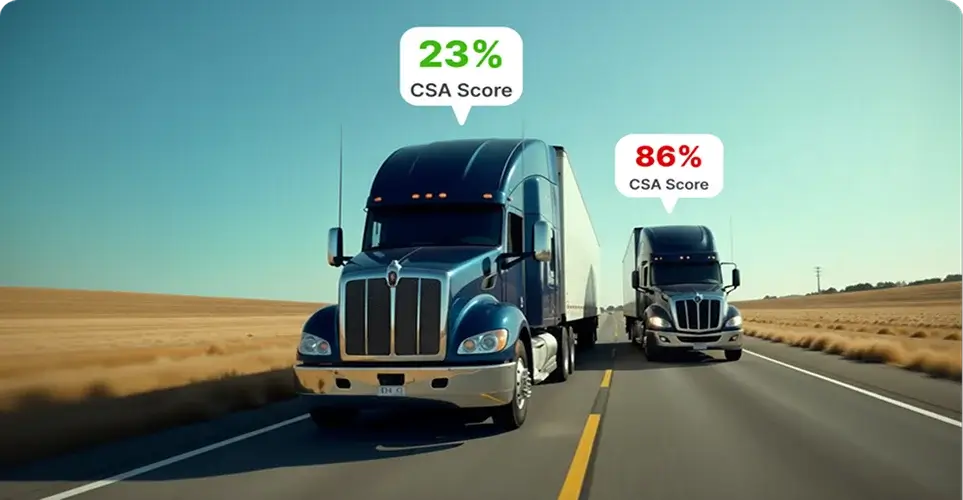
For an owner-operator, the math is simpler but just as real. A single at-fault accident can raise premiums by roughly 40-50% on average. Clear video evidence that shifts fault away from your truck protects that rate, and your CSA score, directly.
Faster, Cleaner Claims
Because Critical events upload automatically, a fleet manager has footage of a crash within minutes, not days. That speed matters. Claims backed by immediate video evidence resolve faster and get disputed less, which keeps legal costs and settlement payouts down.
Coaching That Actually Changes Behavior
Harsh braking, harsh acceleration, and harsh turn events are logged with the exact G-force reading that triggered them. Fleet safety managers can pull a weekly list of the worst offenders and coach specific incidents instead of guessing at driver habits from memory.
Installation Basics
The 4-Channel AI Dashcam Pro is hardwired. It requires a three-wire connection, constant power, ignition/ACC, and ground, and cannot run off a standard accessory port. The ADAS camera mounts centered on the windshield, while the DMS camera sits on the dashboard or as per the driver’s needs. After installation, the system needs a horizon and face-box calibration so the AI reads the road and the driver’s seating position correctly. Skipping calibration is the single most common cause of false ADAS and DMS alerts.
Built for Driver Trust, Not Surveillance
In-cab cameras face resistance from drivers who assume they’re being watched constantly. The AI Dashcam Pro is event-based, not a continuous live feed to the cloud. It only uploads footage tied to specific safety triggers, and all video is encrypted in transit and at rest. Only authorized fleet admins can access the footage.
This distinction matters for adoption. Drivers who initially resist in-cab cameras tend to change their stance once they see footage clear them in a disputed incident. The camera stops feeling like surveillance and starts functioning as a witness on their side.
Ready to see how the 4-Channel AI Dashcam Pro fits your fleet? Visit TruckX.com or call +1 (650) 600-6007 today to talk about pricing, installation timelines, and insurance partnership options for your trucks.