A Commercial Driver’s License, or CDL, is required to operate many commercial motor vehicles in the United States. For owner-operators, new drivers, and growing fleets, getting a CDL is more than a career step. It is the starting point for legal, compliant, and profitable trucking operations.
The Federal Motor Carrier Safety Administration explains the CDL process in three main steps: get a Commercial Learner’s Permit, complete Entry-Level Driver Training, and pass the CDL test. Below is a complete guide to getting a CDL.
What is a CDL?
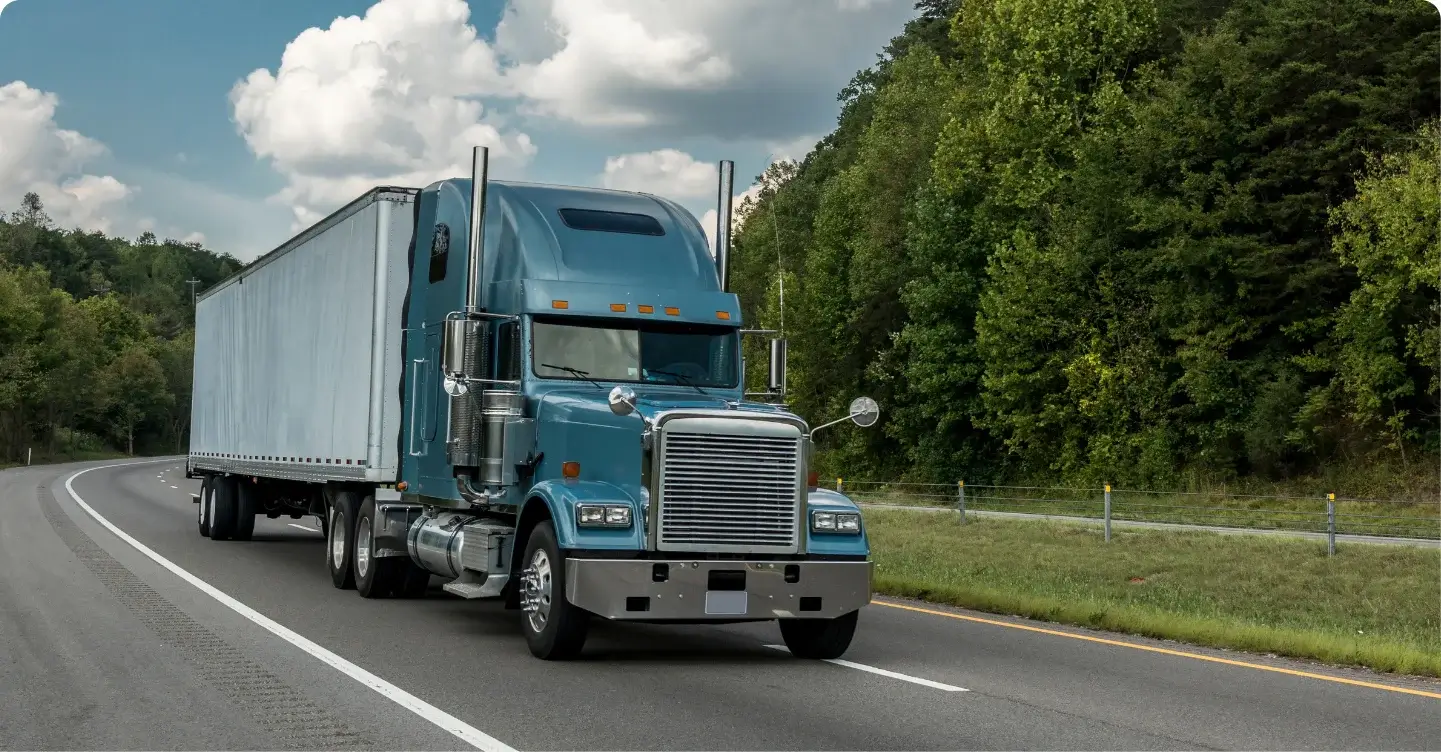
A CDL is a special license required to drive large commercial vehicles, including many tractor-trailers, buses, and heavy-duty trucks. CDL requirements can vary by state, but federal rules apply across the trucking industry. Most truck drivers who want to operate across state lines must meet FMCSA requirements, pass medical standards, and complete proper training before receiving a CDL.
Step 1: Meet the Basic CDL Requirements
Before applying, drivers must meet basic eligibility rules. In most cases, drivers must have a valid regular driver’s license, meet age requirements, and pass a Department of Transportation medical exam.
Drivers usually need to be at least 18 years old to drive within one state. To drive across state lines, haul certain loads, or operate in interstate commerce, drivers generally need to be at least 21. A DOT medical card is also important. It confirms that the driver is physically qualified to operate a commercial vehicle safely.
Step 2: Get a Commercial Learner’s Permit
The next step is getting a Commercial Learner’s Permit (CLP). FMCSA lists the CLP as the first major step in the CDL process. To get a CLP, drivers must study their state CDL manual and pass written knowledge tests. These tests may include general knowledge, air brakes, combination vehicles, tanker, hazmat, or passenger endorsements, depending on the vehicle and cargo type. A CLP allows drivers to practice on public roads with a qualified CDL holder in the vehicle.
Step 3: Complete Entry-Level Driver Training
After getting a CLP, new drivers must complete Entry-Level Driver Training, also called ELDT. FMCSA identifies ELDT as the second step before getting a CDL. ELDT must be completed through a provider listed on the FMCSA Training Provider Registry. This training helps drivers understand safety, vehicle control, inspections, and real-world driving responsibilities. For fleets, this step matters because poorly trained drivers can lead to violations, downtime, insurance issues, and higher operational risk.
Step 4: Hold the CLP Before Testing
Drivers must hold the Commercial Learner’s Permit for the required period before taking the CDL skills test. This time gives drivers practical experience before operating a commercial vehicle independently.
Small fleets should use this period to train new drivers on company policies, safety expectations, DVIR procedures, and Hours of Service basics. This is also a good time to introduce drivers to ELD use.
Step 5: Pass the CDL Skills Test
FMCSA lists getting the CDL as the final step in the process. Every state has a different CDL test, but the CDL skills test usually includes three parts: vehicle inspection, basic control skills, and a road test. Drivers must show that they can inspect the truck, control it safely, and drive in real traffic conditions. Passing this test allows the driver to receive a CDL from the state licensing agency.
Why CDL Drivers Should Understand ELD Compliance Early
Getting a CDL is only the beginning. Once a driver starts operating a commercial vehicle, compliance becomes part of the job every day. Many CDL drivers must follow Hours of Service rules and use an Electronic Logging Device. ELDs help record driving time, duty status, and compliance data. For owner-operators and fleet managers, this reduces manual paperwork and improves audit readiness. TruckX provides fleet management and ELD solutions built for compliance, GPS tracking, trailer tracking, and operational visibility.
CDL Success Starts with Compliance-Ready Operations
Getting a CDL opens the door to trucking. Staying compliant keeps that door open. Owner-operators and fleet managers should treat CDL preparation, ELD compliance, and fleet management as connected parts of the same operation. A trained driver with the right technology is better prepared for inspections, audits, and daily dispatch demands.
TruckX supports this process with user-friendly ELD and fleet management solutions designed for trucking businesses that need compliance, visibility, and control without unnecessary complexity. Explore our Fleet Management and ELD Solutions at TruckX.com or call +1 (650) 600-6007 today to discover more.