On January 22nd, 2026, the U.S. House of Representatives approved a spending bill for the 2026 fiscal year that contains a record-breaking $200 million set aside just for truck parking; a move that truck drivers and motor carriers have long wanted.
The allocation marks the most substantial single federal commitment ever directed at the truck parking challenge. Many in the trucking industry have long cited parking scarcity as a top safety and operational risk for drivers and carriers. The shortage contributes to fatigue, limits scheduling flexibility, and can reduce driver retention.
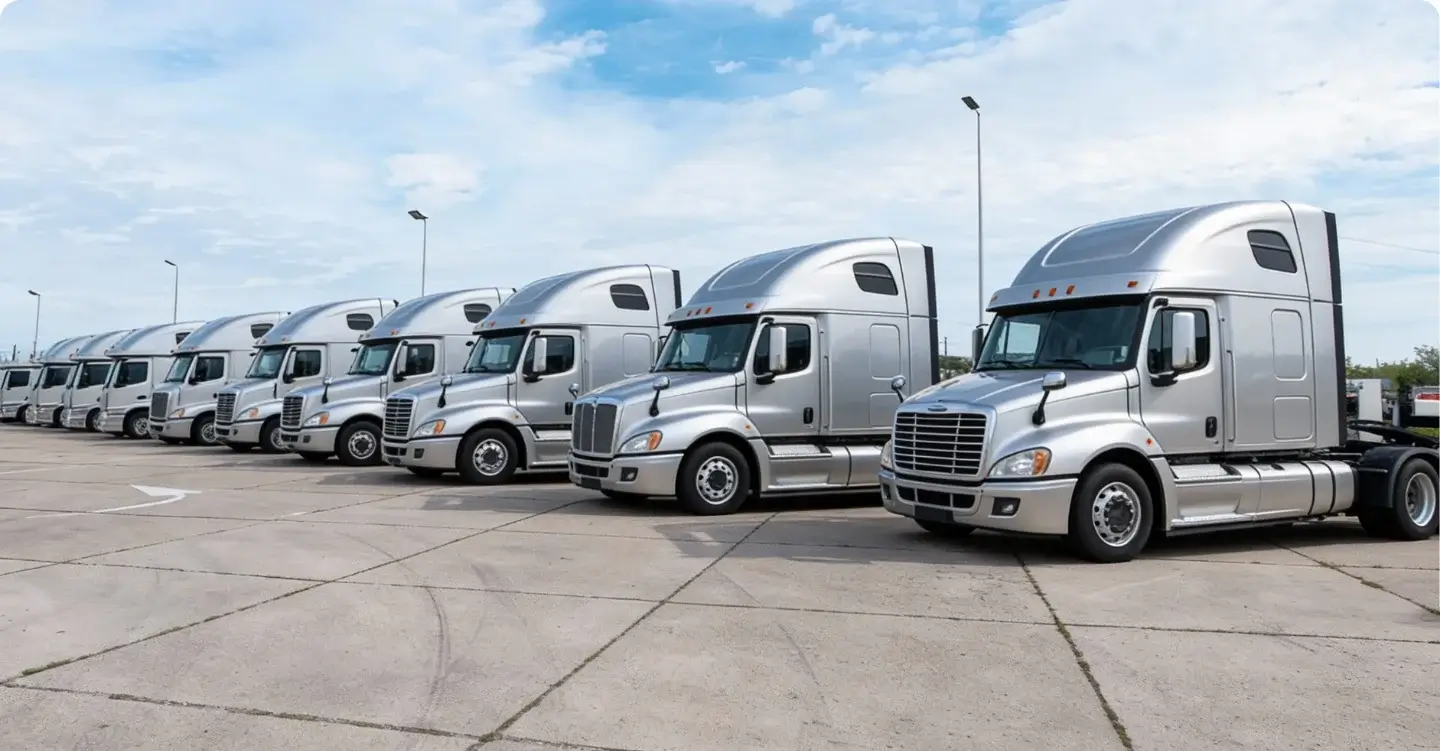
For fleet management professionals, this funding could directly influence operational planning. More designated truck parking means improved route optimization and better asset utilization. Parking availability often dictates where drivers rest, which in turn affects delivery schedules and compliance with hours of service regulations. Expanded sites help fleets minimize unplanned downtime.
The funding initiative responds to nonstop pressure from carriers, drivers, and industry associations. They argue that inadequate parking is not just a convenience problem, but a supply chain bottleneck that affects freight fluidity nationwide.
The money will be distributed through the U.S. Department of Transportation (DOT) and used to create or upgrade parking facilities near major freight corridors. DOT officials have signaled that funds could support features beyond just pavement, such as lighting, security, and technology that supports fleet operations.
For modern fleet managers, these enhancements align with broader goals of digital fleet oversight and safety compliance. Well-designed parking sites can serve as strategic hubs for telematics data uploads, driver check-ins, and scheduled maintenance stops.
The expanded truck parking infrastructure could also complement advanced systems like fleet management software and automated dispatch tools. When parking availability is predictable, integrated fleet platforms can generate more accurate ETAs and reduce costly rerouting.
Shippers and carriers should expect implementation to roll out gradually once the full federal spending bill is finalized and signed into law. Industry observers note that states and localities will vie for portions of the funding, meaning fleet managers should stay informed about regional parking project timelines.
What fleet managers should do:
- Integrate parking availability into fleet routing platforms. Use data feeds from DOT and state transportation agencies once available.
- Update driver communications. Educate drivers on planned parking expansions and how to leverage new facilities safely.
- Align parking strategies with compliance goals. Better parking reduces the risk of hours-of-service violations and driver fatigue.
- Explore partnerships. Work with local operators and private parking owners to maximize access and amenities.
For fleets that manage hundreds or thousands of drivers, even incremental parking improvements can boost productivity and cut idle miles. As this record investment nears enactment, fleet leaders should position themselves to benefit from smarter parking infrastructure and integrate those gains into their broader fleet management solutions.